Top-rated independent appliance repair across the Southwest
When the Oven Lies About Its Temperature
Cookies burn on the bottom in nine minutes. Or a casserole sits pale after an hour. You set 350, and the oven swears it got there. Temperature drift is one of the most common calls we take, especially on ovens that live in hot Arizona kitchens and garages. Here's what it usually means, what you can safely check, and when to call us.
Call (888) 352-5066- A real person answers
- Open 7 days
- Written quote before work starts
Taking calls until 5:00 PM MST
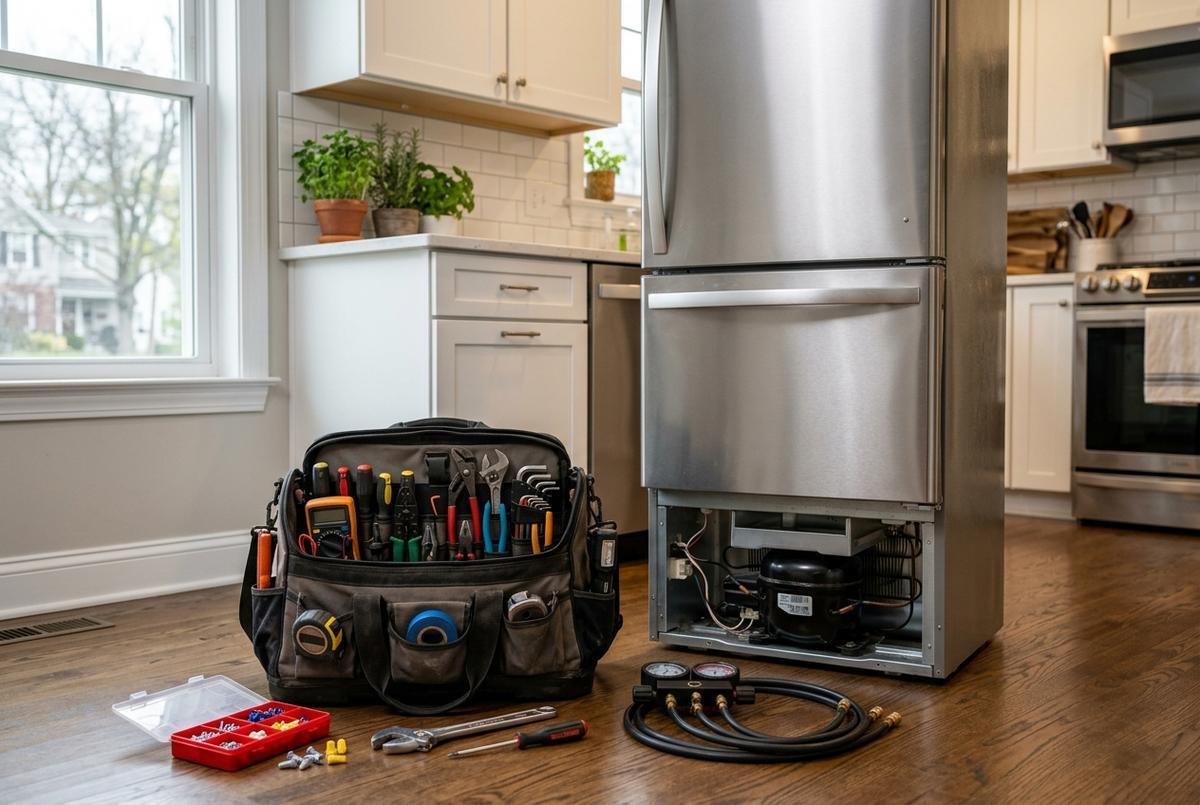
Surprise Appliance Repair service team · field-reviewed before publishing
What "running hot or cold" actually means
Your oven does not hold one steady temperature. It cycles. The heat climbs past your setting, shuts off, drifts down, then fires again. A healthy oven swings maybe 25 degrees either side of the number and averages out right. Drift means that average has moved. The oven may read 350 on the display while the air inside sits at 310 or 390. The display is only reporting what the sensor tells it. When the sensor, the door seal, or the control board is off, the display lies with total confidence. Baked goods notice long before you do.
Cause one: how you're using it
Start with the cheap stuff. Dark or warped pans cook faster than shiny ones. Two crowded racks block airflow and leave the top pale. Foil laid on the bottom reflects heat and confuses the pattern. Skipping preheat matters more than most people think, an oven needs 15 to 20 minutes after the beep to let the walls and racks soak up heat. Opening the door to check drops the air temperature fast. Also check your rack position against the recipe. And if you moved a recipe from an old oven to a new one, expect a real difference in behavior.
Cause two: the door and the seal
Heat leaks. Run your hand around the closed door, a few inches out, and feel for warm air escaping. Look at the rubber or braided gasket around the opening. Torn, flattened, or missing chunks let hot air out and cool air in, so the oven runs cold and cycles constantly. Check the hinges too. If the door sags or won't sit flush, the seal can't do its job. In dusty desert homes, grit and grease build up on the gasket and keep it from compressing. A wipe with warm soapy water is safe and sometimes enough.
Cause three: the sensor and the control
Most electric ovens use a thin metal probe near the top left of the cavity. That is the temperature sensor. When it drifts, the oven heats to the wrong number and never knows. Sensors can also get bumped or bent so they touch a wall, which makes them read hotter than the real air. Behind that sits the control board, which decides when to call for heat. Boards fail in heat-stressed kitchens and garages. Bake elements that have blistered or broken also cause slow, uneven heating. Anything past looking at the sensor means panels and wiring. That's ours, not yours.
Safe checks, then what we do differently
Safe for you: run a separate oven thermometer on the center rack, preheat 20 minutes, and read it three times over half an hour. Write down the numbers. Inspect the gasket and door fit. Clear pans and foil off the bottom. Check that the sensor probe isn't bent against a wall. When we arrive, we test the sensor's resistance against spec at room temperature and hot, check element draw, log actual cavity temperature over full cycles, and look at the control board's calibration offset. Bring your thermometer notes to the call. It saves us time. Reach us.
When the Oven Lies About Its Temperature — common questions
Can I just recalibrate the oven myself?
Many ovens let you shift calibration a small amount through the control panel. Your manual will say. That helps if the oven is off by 15 or 25 degrees evenly. It won't fix a bad sensor, torn seal, or failing element.
Why is my garage oven worse in summer?
Heat and dust both work against it. High ambient temperatures stress control boards and wiring, and airborne grit settles on gaskets and vents. Garage ovens often drift more and cycle longer than the same model indoors.
Is an oven that runs hot dangerous?
Usually it's a cooking problem, not a safety one. But if the oven overheats past its setting, won't shut off, smells like burning plastic, or trips a breaker, stop using it and call us.
How it works
- Step 1
Tell us the symptom
Call us or fill in the form and describe what you hear, smell, or see. Water on the floor. A clicking compressor, a burning odor. Small details narrow the cause before anyone drives out.
- Step 2
We schedule the visit
You pick a window that fits your day, and we confirm the make and model so common parts ride along in the van. Tell us if the unit sits in the garage or on the patio. Heat changes what we check first.
- Step 3
Diagnose and repair
Our technician tests the unit, explains what failed, and lays out your options in plain words. Most repairs finish that same visit. If a part has to be ordered, you'll know before we leave.
- A real person answers
- Open 7 days
- Written quote before work starts
Why homeowners call us
- Built for desert heatSummer here punishes appliances. Compressors run long, coils choke on fine dust, and garage refrigerators fight ambient air near 115 degrees. We look for heat-driven failures first, because that's usually where the trouble started.
- Any major brandWe work as an independent company on all major residential brands: refrigerators, washers, dryers, dishwashers, ranges, ovens, and freezers. One crew handles both the kitchen and the laundry room, so you aren't juggling separate calls.
- Straight explanationsYou hear what part failed and why, without a wall of jargon. If a repair doesn't make sense on an aging unit, we say that too. Then you're deciding with real information instead of guesswork.
- Six-state coverageFrom Surprise out across the Southwest, our service area covers six states. The approach doesn't change from town to town: careful diagnosis, a tidy work area, and a clear plan before we start pulling anything apart.
- All major brands, gas & electricEvery major appliance brand, gas and electric, handled by an independent shop.
- Straight answersIf it isn't worth repairing, we'll say so, often right on the phone.
About this guide
If the safe checks didn't fix it, the fault is real
Bring your notes from the checks to the call and booking takes no time.
- A real person answers
- Open 7 days
- Written quotes
- All major brands
- Gas & electric
Rather not call? Get a free quote →